Zeo Holidays offers multi-country tour packages covering Nepal, Tibet, Bhutan, and India. This guide outlines the best times to visit, key entry requirements, and must-see destinations for a seamless Himalayan experience.
When to Visit Nepal and Bhutan (Best Seasons )
- The best time to combine all four countries in one trip is during the Spring (March to May) or Autumn (September to November). Nepal & Bhutan Spring offers blooming rhododendrons and pleasant temperatures, while Autumn provides the clearest mountain views and vibrant local festivals like Dashain in Nepal or Paro Tshechu in Bhutan.
Tibet
- The ideal window is April to October. Note that Tibet typically closes to foreign visitors from mid-February through March.
India
- Northern regions (Delhi, Agra) are best visited from October to March to avoid extreme heat. For Himalayan regions like
What do I need to bring holidays When traveling with Zeo Holidays to Nepal, Tibet, Bhutan, and India in 2026, you should prepare for diverse climates ranging from humid lowlands to high-altitude mountain regions.
1. Essential Travel Documents
- Passport: Must be valid for at least 6 months beyond your departure date.
- Visas & Permits:
- Bhutan: Carry your pre-arranged Bhutan Visa Clearance Letter.
- Tibet: Ensure you have your original Tibet Travel Permit (arranged by your agency).
- Nepal/India: Printed copies of e-visas or entry documents.
- Insurance: Proof of comprehensive travel insurance that includes coverage for high-altitude emergency evacuation.
- Photocopies: Carry at least 4 extra passport photos and several copies of all documents stored separately from the originals.
2. Clothing & Footwear (Layering is Key)
- Base Layers: Moisture-wicking thermal tops and bottoms for cold nights at altitude.
- Insulation: A warm fleece or down jacket, even for summer trips, as mountain temperatures drop rapidly after sunset.
- Outer Shell: A durable, waterproof, and windproof jacket (Gore-Tex or similar).
- Modest Attire: Long pants, long skirts, and shirts that cover shoulders and knees are strictly required for visiting temples and monasteries.
- Footwear:
- Sturdy, well-broken-in hiking boots for excursions.
- Lightweight sneakers or sandals for evening use in hotels/campsites.
- Warm socks: Especially for cold, unheated temple floors where shoes must be removed.
3. Health & Personal Care
- Personal Medical Kit: Include broad-spectrum antibiotics, anti-diarrheal medication, pain relievers, and any regular prescriptions.
- Altitude Prep: Consult a doctor regarding Diamox (Acetazolamide) for altitude sickness prevention.
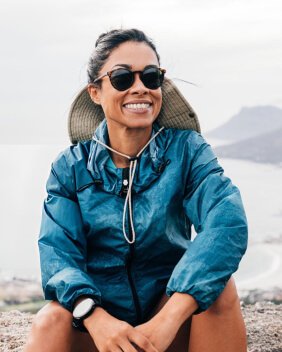
- Sun Protection: High-SPF sunscreen, UV-protection sunglasses, and a wide-brimmed hat; the sun at high altitudes is extremely strong.
- Hygiene: Hand sanitizer, wet wipes, and a roll of toilet paper (rarely provided in public restrooms).
4. Gear & Electronics
- Daypack: A 20–30L backpack with a rain cover for daily essentials.
- Power: A high-capacity power bank and a universal power adapter (types D, F, and G are common).
- Hydration: A reusable 1–2L water bottle and water purification tablets/filters.
- Flashlight/Headlamp: Essential for navigating guesthouses or camping areas during frequent power outages.
5. Money
- Cash: Carry ample cash in USD or local currencies (NPR, INR, BTN, CNY). ATMs are scarce or unreliable outside major cities like Kathmandu, Paro, or Lhasa.
These tips cover vital documents, layered clothing, personal health items, essential gear, and financial considerations for your international travels
General Operations Manager
Chief Executive Officer (CEO)